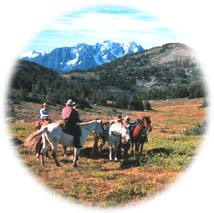
The Chilcotin Region encompasses the entire high elevation Chilcotin Plateau, which is covered with an interior spruce pine forest. This area contains many wetland meadows and numerous small lakes which are used by an abundance of waterfowl. Around the edge of the Chilcotin the plateau rises into some of the most dramatic mountains and lakes in British Columbia.
This is country where the land ascends from hot dry grasslands to reach ice-covered rugged heights of over 4,000 m (13,000 feet). Amidst these mountains great glaciers descend down to 50 km (30 mi) long azure blue lakes. Towering above the valleys carved by those glaciers is BC highest mountain, Mount Waddington, at 4016 m (13,172 ft). Two major river systems, the Homathko and the Klinaklini, head coastward through the Coast Mountains, while the southeastern portion of the Chilcotin Region is drained by the Chilko, Chilcotin, and Fraser River systems. Hot grassland canyons found on the Chilko and Fraser rivers are similar to landscapes seen in the southwestern United States, and are places where desert bighorn sheep, cougar, and deer thrive.
The Chilanko wetland habitat found in th Chilcotin Region is nationally significant because of its use by migratory shorebirds and waterfowl for nesting. The wetlands are also breeding center for Barrow's Goldeneye, and support important populations of moose.
|