|
|
|
|
|
|
|
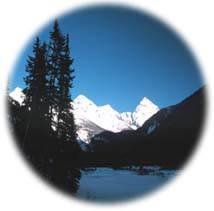
Established in 1886, Glacier National Park is the second oldest park in Canada, and one of six national parks in BC. It, along with Mount Revelstoke National Park, conserves for all time a portion of the Columbia Mountains of southeastern British Columbia. Encompassing 134,900 ha (333,300 acres) of the Selkirk and Purcell mountain ranges, Glacier National Park ensures that critical habitat for threatened and endangered wildlife species, such as the grizzly bear and the mountain caribou, is protected.
Glacier National Park also protects remnants of the rare temperate inland rainforest. The vegetation and species of these rainforests have much in common with their coastal old growth cousins. In Glacier these forests occupy a very small proportion of the park lands - primarily in the lower valleys. More than half of the park lies in the alpine tundra zone where no trees can grow. The rest of the park consists of primarily subalpine forests and meadows.
Glacier National Park was originally protected for its tourism potential when the CPR railway first brought visitors through the region in the 1880s. The heavy snowfall, and spectacular mountain views of over 400 glaciers, continue to produce some of the best ski touring anywhere in North America.
|
"Protecting Glacier was also important because the Columbia Mountains system contains all of the world's only temperate inland rainforest. "
|

Glacier National Park is located on the Trans-Canada Highway, between Revelstoke and Golden, 72 km (45 mi) east of Revelstoke, and 80 km (50 mi) west of Golden. The portion of the Trans-Canada Highway within the park runs through Rogers Pass, the site of the world's largest avalanche control program. Commercial accommodation, a gas station, and small store are available at Rogers Pass.
|
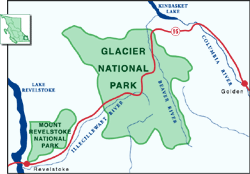
Click on the map to view an enlargement
|

There are three major ecosystems in Glacier National Park. At the lowest elevations the interior cedar and hemlock forest dominates, replaced at middle to high elevations by Engelmann spruce and subalpine fir, and finally by alpine tundra at the highest altitudes.
This park is particularly important for the protection of the endangered grizzly bear, as Glacier has one of the highest grizzly populations of any Canadian national park. Black bears are also common in the park, as are mountain goats and mountain caribou. Other large mammals include moose, cougar, elk, white-tailed and mule deer, coyote, lynx, and wolverine. 183 species of birds have been counted in the park, including the flocks of finches that are often visible from the highway.
|

Glacier National Park is a popular area for camping, ski touring, mountain climbing, backpacking, hiking, and caving. Information on trails and park activities can be obtained from the Rogers Pass Center - the main interpretative and general information center in the park, located in the heart of the park next to Glacier Park Lodge. During the summer park personnel provide guided evening walks and campfire programs as well as daylong guided hikes. The park is open year round, offering different recreational opportunities in each season.
|
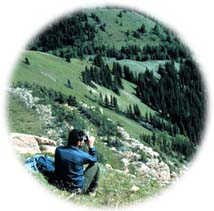
Camping
Glacier has 2 campgrounds with a total of 80 campsites. Illecillewaet Campground is located 3 km (1.9 mi) west of Rogers Pass summit, and Loop Brook Campground is located 5 km (3.1 mi) west of Rogers Pass summit. These campsites are accessible from the highway and operate on a first-come, first-served basis. Both campgrounds are open from June to October, and have washrooms with flush toilets, log kitchen shelters, firewood, and drinking water supplied.
There are also some designated backcountry camping areas. Backcountry visitors are required to purchase a Wilderness Pass in addition to a daily park pass. Please note that permits are required for all backcountry campsites as well as for fishing. These are available from the park warden.
|
"This park is particularly important for the protection of the endangered grizzly bear, as Glacier has one of the highest grizzly populations of any Canadian national park."
|
Huts and Cabins
Glacier has three backcountry huts, available on a first-come basis. The required Wilderness Pass 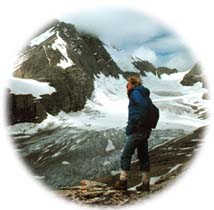 includes the hut fee. Access to these huts is arduous and in some cases requires mountaineering experience. Contact the Rogers Pass Center, the Parks Canada office in Revelstoke, or click here for details. There is also the privately owned Wheeler Hut, managed by the Alpine Club of Canada. This is the only hut to which it is possible to drive, and it's located near the south end of the Illecillewaet Campground just off the Trans-Canada Highway. The Wheeler Hut provides complete cooking and eating utensils, foam sleeping pads, Coleman stoves, lanterns and firewood. It sleeps 35-40 people and can be booked by contacting the Alpine Club of Canada, which also organizes mountaineering expeditions throughout the summer and handles booking for one of the backcountry huts. includes the hut fee. Access to these huts is arduous and in some cases requires mountaineering experience. Contact the Rogers Pass Center, the Parks Canada office in Revelstoke, or click here for details. There is also the privately owned Wheeler Hut, managed by the Alpine Club of Canada. This is the only hut to which it is possible to drive, and it's located near the south end of the Illecillewaet Campground just off the Trans-Canada Highway. The Wheeler Hut provides complete cooking and eating utensils, foam sleeping pads, Coleman stoves, lanterns and firewood. It sleeps 35-40 people and can be booked by contacting the Alpine Club of Canada, which also organizes mountaineering expeditions throughout the summer and handles booking for one of the backcountry huts.
|
Hiking
Glacier National Park provides 140 km (87 mi) of hiking on 18 trails ranging from short, easy strolls along the valley bottoms to steep, difficult climbs in the Columbia Mountains. Trails lead along historic routes, to alpine vistas, views of sparkling glaciers, and mountain peaks. Several of the most popular day hikes start at the llecillewaet campground.
|
Mountain Climbing
Glacier National Park is the acknowledged birthplace of mountaineering in North America. Two British mountaineers, Rev. William Spotswood Green and Rev. Henry Swanzy, completed the first climbs of the Selkirks in 1888 in what is now Glacier National Park. In 1899, Glacier House hotel in Rogers Pass employed Swiss guides to create the network of mountain trails that are still used today. Mountaineering continues to attract visitors from throughout Canada, Europe, and the US who come to test their skills on such peaks as Hermit, Mount Sir Donald, and Tupper.
|
Ski Touring
Deep snow, lots of powder, and stunning vistas make Glacier National Park a very attractive destination for ski-touring. The season typically extends from mid-November to the end of May. Glacier Park Lodge, located at the summit of Rogers Pass on the Trans-Canada Highway, is the most popular place to stay during the winter. From there it is only a 2 hour climb to recreational skiing at Balu Pass. Skiing at Balu Pass is characterized by fresh, light "champagne powder", an average of 13 m (43 ft) deep. Unless very experienced, skiers should go out with certified guides as hazards are a real risk in this park. Glacier National Park is an area of extreme avalanche danger. All skiers must be familiar with avalanche precautions, and are recommended to have safety equipment with them at all times. More information on skiing and safety in Glacier National Park can be found at the Parks Canada 'Ski Touring in Rogers Pass' Page.
|
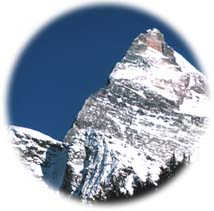
Caving
The largest cave system in Canada, the Nakimu Caves were discovered in Glacier National Park in 1903 by C.H. Deutschmann of Revelstoke, while he was prospecting around Cougar Creek. The caves extend for 5.9 km (3.7 mi) under the mountains. Their complexity, unique formations, and rare calcium-loving plant attract "spelunkers" (cave explorers) from around the world. Access to the caves is restricted; parties can only enter as part of a guided trip or by applying for their own entry in the Parks' lottery system. One Nakimu Cave Pass is issued every Saturday or Sunday from approximately mid-July to mid-October. Applications for the lottery must be received before May 1st of each year. A caving group is limited to between six and twelve people, and must be led by experienced cavers.
|
" The largest cave system in Canada, the Nakimu Caves were discovered in Glacier National Park in 1903 by C.H. Deutschmann of Revelstoke..."
|

Glacier National Park was established in 1886, in the same year as Yoho National Park to the east. Canada was a very young nation then; the Canadian Pacific Railway had just been built, linking the provinces of the vast country together for the first time. Many lives were lost in the process of building the railway line through the rugged Selkirk mountains. Some of the original railway structures, including stone bridges, trestle supports and snow sheds, still exist today. The Canadian Pacific Railway company saw the potential of the area's scenic grandeur and began actively promoting the region as a tourist destination. Lodges and hotels were built along the railway in the Glacier Park area, and even Rudyard Kipling came to see "the Canadian Alps".
The area was still quite remote until the Trans-Canada Highway was built through Rogers Pass in 1962, bringing greater public access to the park. Rogers Pass is named after its discoverer, Major A.B. Rogers, Engineer-in-Chief for the railway. The pass is now a National Historic Site, in commemoration of its importance in creating a route to the westernmost province. With the arrival of the highway more facilities, including campsites and picnic areas, were added making it the popular vacation and adventure spot it is today.
|
|
Return to the Kootenay Region
Become Involved!
|
|