|
|
|
|
|
|
|
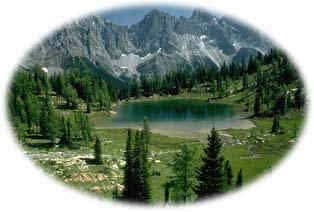
Height of the Rockies Provincial Park (68,000 ha/170,000 acres) is a scenic treasure and a vital reserve for wildlife. The park's assortment of towering peaks, sparkling glaciers, and icy lakes make it as beautiful as better known parks like Banff yet it remains much wilder. Its importance to wildlife is extraordinary. Exceptionally large herds of elk, deer, and goats roam throughout the park along with over 150 grizzly bears.
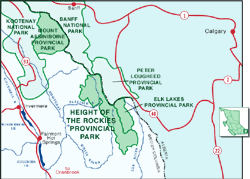
Height of the Rockies is bordered by Elk Lakes Provincial Park (to the east) in BC, and Banff National Park (to the north) and Peter Lougheed Provincial Park (to the northeast) in Alberta. Elk Lakes Provincial Park, features a trail that links directly with Height of the Rockies. It is an easily accessible park offering extensive wilderness hiking through beautiful sub-alpine environments to suit a range of recreational abilities. Together these parks form an expanse of wilderness that will ensure that entire ecosystems, including important wildlife populations, will remain intact for all time.
The park protects not only excellent biodiversity and superb landscapes, but also important prehistorical features. Trails within the park have been in use for over 8000 years by First Nations groups. These early visitors walked through wild mountains and meadows, passing large herds of wildlife and encountering the majestic grizzly bear. More than 240 generations later, visitors to this timeless wilderness can do exactly the same.
|
"Its importance to wildlife is extraordinary. Exceptionally large herds of elk, deer, and goats roam throughout the park along with over 150 grizzly bears."
|

Height of the Rockies is located in the Kootenay Region, east of the town of Invermere. There are many possible ways to access the park, but the most common is by one of the five major trailheads. All of these trailheads are accessible by summer logging roads from Canal Flats and Sparwood. From Canal Flats, on Highway 93/95 (the two highways become one in this area), access is by way of the White River and Palliser River roads; and from Sparwood, on Highway 3, it is by way of the Elk River road. There are also several alpine pass trails from neighboring parks ( Banff, Elk Lakes and Peter Lougheed) which lead into Height of the Rockies.
|
Click on the map to see
the enlargement
|
"The park protects not only excellent biodiversity and superb landscapes, but also important prehistorical features."
|

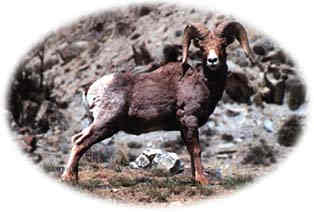
This region contains globally important wildlife populations. The Height of the Rockies contains high grassy alpine, dense forests, and vitally important valley bottom forests. This combination of habitats allows the park to support the world's highest densities of Mountain Goats, over 2000 elk, and more grizzly bears than are found in the renowned Khutzeymateen Grizzly Bear Sanctuary. In addition, Height of the Rockies contains healthy populations of wolf, moose, mule deer, and cougar, among others.
The park is clearly vital for wildlife. Heavily-travelled animal trails are everywhere in the park, at times reaching 2.5 m (8 ft) in width and more than 30 cm (1 ft) in depth. Mud wallows and clay licks found in various locations within Height of the Rockies are equally heavily used.
|

The park is closed to logging, mining and other extractive resource uses. Existing grazing, guide-outfitting and trapping activities are permitted to continue at established levels. Visitors from all over the world come to the Height of the Rockies Provincial Park to enjoy the many recreational opportunities it provides. Wilderness 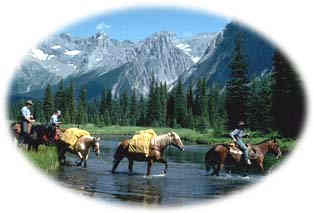 hiking, mountaineering, horseback riding, camping, fishing, ski touring, and wildlife viewing are all popular options. hiking, mountaineering, horseback riding, camping, fishing, ski touring, and wildlife viewing are all popular options.
The park is wild and remote with limited facilities. For this reason, many visitors prefer guided backcountry trips, but an unguided trip is just as enjoyable for experienced outdoors people. Trails, which are often unmarked and unmaintained, lead to many pristine mountain lakes, flower-filled alpine meadows, ancient fossil sites, and cascading waterfalls. These trails are open to both hikers and horses. Horseback riders are asked to recognize that trails may be blocked by deadfall, and to bring feed when natural feed is scarce.
There are strong populations of large westslope cutthroat trout in many of the mountain lakes and several streams. Fishers must have an appropriate license.
Park facilities include six guide-outfitter cabins, two Forest Service cabins, various wilderness-type campsites, trails, footbridges and corrals.
"By 1986 clearcuts surrounded the wilderness area, and more were planned for within the pristine valleys. The campaign to protect the area...was stepped up."
|

Height of the Rockies has an extensive history. The area was first used by the Kootenai people, to access the Albertan plains, by way of Kananaskis and Palliser mountain passes. Trails and several archeological sites in the park date back over 8000 years.
Later, Height of the Rockies was visited by the several of the first European explorers to reach British Columbia, including Warre and Vavasour (1845), the Sinclair Settlers (1854), and the Palliser Expedition (1858-59).
As early as the 1900s the area was proposed for a national park, but no formal protection was established. The extraordinary wildlife values of the area were recognized with the establishment of the White River Game Reserve in the area in 1936. In the years that followed the area came under extreme threat. Roading and resource extraction became so extensive in the southern Rockies that Height of the Rockies was soon the most important remaining wildlife and wilderness refuge. Still protection was elusive. By 1986 clearcuts surrounded the wilderness area, and more were planned for within the pristine valleys. The campaign to protect the area, led by BC Spaces for Nature and the Palliser Wilderness Society, was stepped up.
Finally, in 1987 Height of the Rockies was established as BC's first Provincial Forest Wilderness Area. The area was closed to logging, mining, and other resource uses. Existing grazing, guide-outfitting and trapping activities were permitted to continue at established levels. At the recommendation of BC's Commission on Resources and the Environment (CORE) Report, Height of the Rockies was upgraded to a Class A Provincial Park in 1995.
|
|
Return to the Kootenay Rockies Region
Become Involved!
|
|